Friday, September 23, 2016

Unit 2 Reflection


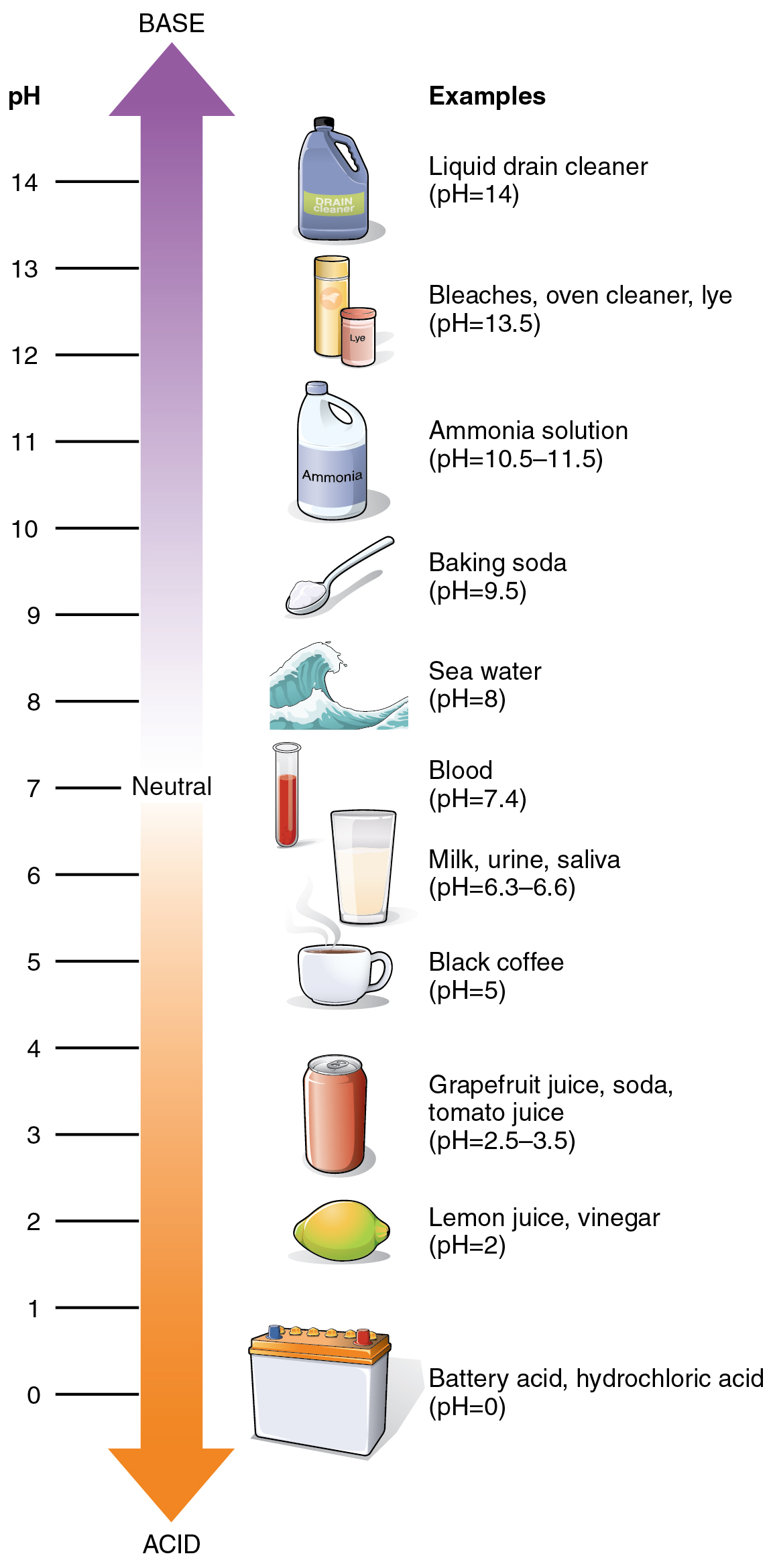
2000px-Saccharose2.svg.png (2000×1032)216_pH_Scale-01.jpg (1153×2339)In this unit we learned about atoms which are made of protons which have a positive charge, neutrons which have no charge, a nucleus which is in the center of an atom, and electrons which are negatively charged. We also learned about how water is polar which means that it has an unequal distribution of charge between hydrogen and oxygen molecules, and how on a scale from zero to fourteen, seven is neutral, below seven is acidic, and above seven is basic. 

Later on in the unit we learned about the four macro molecules which include carbohydrates which are rings of carbon, hydrogen, and oxygen, lipids which are large molecules which contain long chains of carbon and hydrogen called fatty acids, proteins which are large molecules made of amino acids, and nucleic acids which are composed of thousands of nucleotides. In the last vodcast of the unit, we learned about the structures of enzymes and factors that affect enzymes which are pH and temperature. 

In this unit, learning the properties of water was the most difficult for me to learn out of all the lessons in the vodcasts that we learned in unit 2. Also from these experiences I learned how to work together with my classmates when we were doing labs, and how to successfully conduct and do a lab without having much knowledge of what you are supposed to do. I think that I am a better student than before because now I have more experience on what to do because of the things we did in class, and I learned new information that I didn't know until we learned it in class. 

I don't have anything that I want to know more about. One question I have is that are there other factors that could affect enzymes besides pH and temperature. 

Monday, September 19, 2016

Sweetness Lab


In this lab we asked the question, How does the structure of a carbohydrate affect its taste or sweetness? We found out that polysaccharides were the least sweet, and monosaccharides were the sweetest, and disaccharides were in between the two. When we collected data on the sweetness of each carbohydrate, glucose, fructose, and sucrose had the highest degree of sweetness, and starch and cellulose had no sweetness. In the vodcast, we learned about the types of carbohydrates and how each had a different number of rings, so depending on the amount of rings maybe the sweetness would be either sweet or not sweet. This data supports our claim because when we finished recording our data we noticed that monosaccharides were sweeter except for sucrose which was a disaccharide. 

The carbohydrate structure shape might affect how they are used by cell/organisms, because of what the carbohydrate consists of and what they are used for. The testers in my group gave similar ratings for each sample in the lab. One reason why the results could've been different is that people taste things different than others do, and another reason could be the amount of the carbohydrate that the person put on their tongue, and if the person still had the taste of the previous carbohydrate in their mouth. 

According to How Stuff Works, the tongue tastes due to taste buds, which contains gustatory receptor cells that respond to different tastes such as things that are bitter, sweet, and salty. When the gustatory cells activate, it sends a electrical impulse to a region in the cerebral cortex, and then the brain interprets it as a taste. The tasters could have ranked the sweetness of the samples differently because of how their gustatory cells react to the taste of the thing that they ate. 

Friday, September 2, 2016

Jean Lab

In this lab we asked the question, What concentration of bleach is best to fade the color out of new denim material in ten minutes without visible damage to the fabric? We found out during the experiment that full-strength bleach damaged the fabric more and it didn't change the color that much compared to a diluted bleach concentration. Some observations that my group made were that the more bleach concentration, the more the fabric would get damaged and the color would also fade more than less bleach concentration. In the article "How Does Bleach Work?" by Wonderopolis, it states how bleach releases oxygen molecules, which break up the chemical bonds of chromophores or chemical compounds. As a result of that process, the molecules show no colors, so our eyes see it as the color white. This data supports our claim because it explains how bleach makes objects lose their color by breaking down the chemical compounds.

Our data contradicts the expected results because the fabric in full bleach concentration didn't change color that much, and it was almost the same color as the pieces in the fifty percent diluted bleach concentration. These errors affected the results, because we couldn't tell which bleach concentration was the best to fade out the color without damaging the fabric. Also, during the lab our group put our fabric in the petri dishes with the bleach concentrations when other groups put their fabric in the beakers. When we had to put the fabric into water to stop the bleaching process, our group put the fabric in for over two minutes which could've affected the experiment. Due to these errors, in future experiments I would recommend that the instructions should be clearer or more understandable and that everyone would know what they are supposed to do during the experiment. Another recommendation I would make is that we would be able to spend more time on the experiment to make sure that the results would be more accurate.

This lab was done to demonstrate the Scientific Method, which we learned in one of our previous vodcasts. From this lab I learned about how to create a good hypothesis, and being able to make good observations on experiments, which helps me understand the concept of the Scientific Method. Based on my experience from this lab, I could apply this to when I need to do other experiments in science, so it would help me to be able to do things more easily. Also this would get me into a good habit of not trying to rush things and being able to take good observations in order to get better results in things.