Recently we did a coin sex lab, where we wanted to test how we can use
probability to predict what offspring would be like in different circumstances. The coins represented the
genes that the two parents might pass on to their offspring, like whether or not the trait will be
homozygous or
heterozygous. In our
dihybrid cross simulation, there are two individuals who are double
heterozygous with brown hair ans brown eyes. After we labeled a
meiosis to see what the cross would be and the possible gametes. Then after we filled out our
dihybrid punnet square, we expected that the offspring would mainly have brown eyes and brown hair over having blue eyes and blond hair or a combination of the two. In our actual results over half of the offspring would have brown eyes and brown hair, and only one had blond hair and blue eyes. I think that because the brown eyes and brown hair was a dominant trait, it would've had a higher chance of the children inheriting the trait. For example, in another simulation about
autosomal dominance, we did a
monohybrid cross where the person didn't have the bipolar disorder run in their family, but the spouse was heterozygous for that trait. In our results for that simulation, the children mainly inherited the bipolar trait over not inheriting it. The limit of using probability to predict our offspring's traits is that it may show you the possibilities of what your child could inherit but it doesn't actually guarantee that the child will actually inherit or not inherit the
allele. This relates to my life because it shows how the genes from my parents could've had different possibilities that I could've inherited, and that how there are many combinations that could either be passed by
autosomal inheritance or
x-linked inheritance.
This unit was about genetics and sex, such as how genes can be inherited and the different processes like mitosis and meiosis. Other things we learned about was the difference between asexual and sexual reproduction, and Gregor Mendel's Sex Laws which are the Law of Segregation and the Law of Independent Assortment. My strengths were when we had to use punnet squares to predict different possibilities that offspring can inherit, and my weakness was learning and understanding how mitosis and meiosis work and why they are important.
Throughout this unit, I learned more in depth about the topics that we had to include in our infographics, because we got to go over topics that we learned previously in our vodcasts and research more about them. I feel like I am a better student, because when we started this unit, I didn't fully understand the information in the vodcasts at first, but now after learning about the topics in the vodcasts more than one time helped me understand what we were learning. One question I have is in what situations would you use a dihybrid cross over a monohybrid cross.
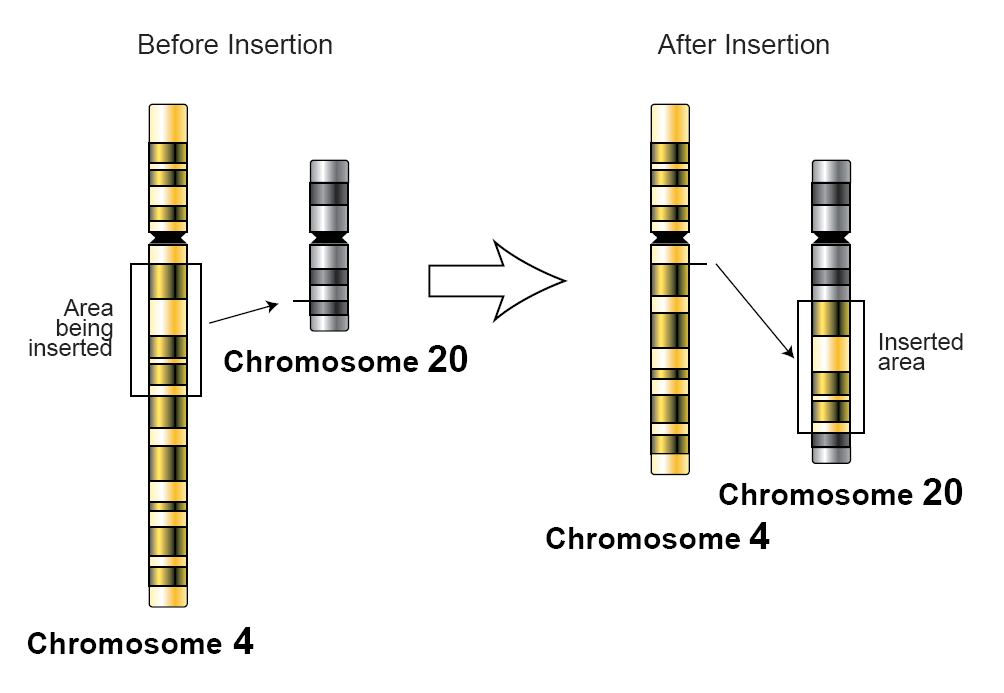 This unit was about DNA which is antiparallel and contains 3 parts which are a nitrogen base, a phosphate group, and a sugar. Other topic that we learned about was transcription which is when the RNA Polymerase reads and copies the gene for a protein, and translation where the ribosome reads the mRNA and translates the nucleotides into amino acids. After we learned about mutations such as frameshift mutations where either an extra base pair is put into the code or a base pair is left out. Finally we learned about gene expression where the gene is used to produce a gene product of phenotype, and gene regulation where a mechanism is used to increase or decrease the expression of a gene. One topic that I didn't really understand at first was gene expression and regulation, and one topic that I understood the most was mutations.
  I feel that I know more than I did before we started this unit, because at first I didn't understand certain topics until we went over them during class. What I think it means to be a good student is someone who listens attentively during the class and helps others when they are confused on something. I feel that I am a better student than I was before because during the beginning of the school year I didn't really participate that much when doing work with groups, and now I am participating more when doing lab work and when we have to discuss the vodcasts.


