1. The first step required to make a
protein in this lab was copying the
sequence of a
DNA strand. After we made an m
RNA copy of the strand using transcription. Transcription is when the gene is copied by an enzyme. Then after we translated the mRNA sequence into an
amino acid chain or protein. Translation is when the
ribosome reads the first three bases and then the amino acid is then determined by the codon.
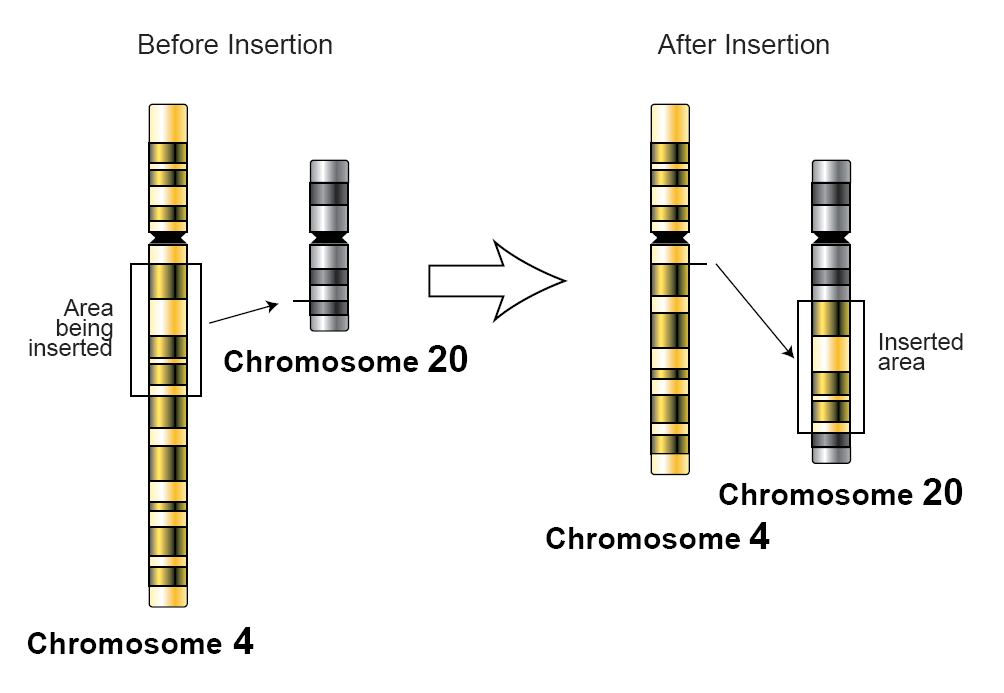
2. The effects of changing bases in DNA molecule varies depending on what
mutation occurred. The mutation that seemed to have the greatest effect was
deletion, then
insertion, and then
substitution had the least effect to the protein. It does matter where the mutation occurs because the amino acid chain could just stop at the beginning or not have as many amino acids. If the T was near the end, then the protein would change because it would be an A near the end instead of another base which would also change what the amino acid would be.

3. In step 7 I chose deletion as the mutation, because I noticed that it had the most effect on the protein. When we had to delete a base it ended up having an amino acid chain that had less amino acids than when we used substitution and insertion as our mutations. It does matter where the mutation occurs because if a base is deleted from the beginning of a sequence and it ended up being a stop codon it would change the protein by not having a sequence.

4. A mutation could affect your life because if proteins are determined by the sequence of amino acids and a mutation occurred in the sequence, then the protein would change depending on the effect from the mutation. One mutation that I found was called duplication which is when a piece of DNA is copied abnormally once or more.


No comments:
Post a Comment